
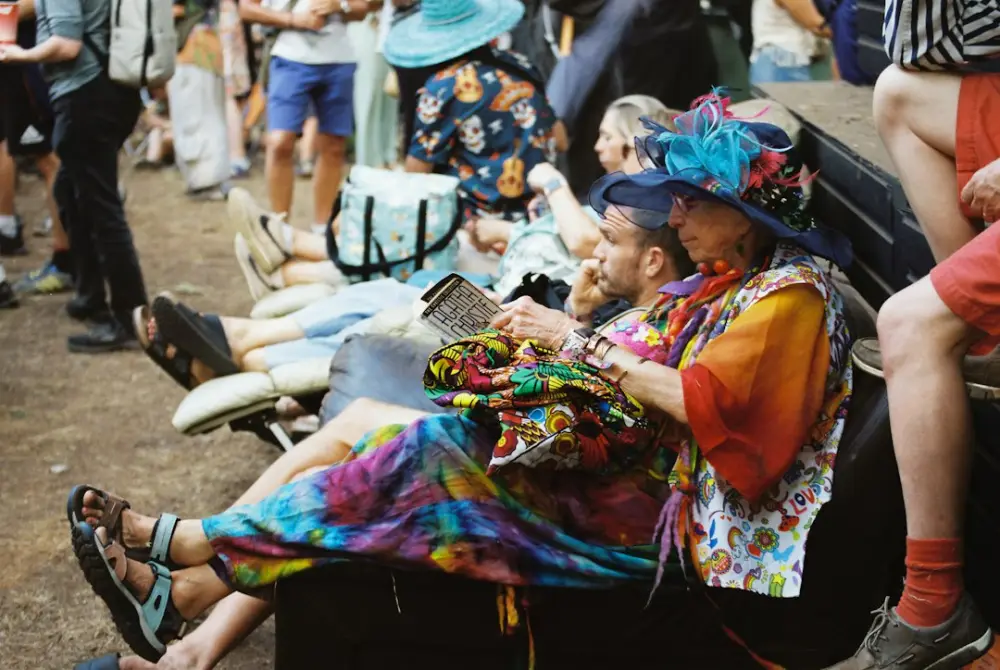
Literature festival curation is the professional practice of selecting authors, themes, and session formats to create a cohesive cultural event. It involves balancing artistic vision with logistical feasibility, ensuring a diverse range of voices, and programming interactive experiences that foster a deep connection between writers and their audience.
Effective curation moves beyond simply booking famous names; it requires an editorial eye that can spot emerging trends and pair disparate voices to spark new ideas. In 2026, the role of the curator has shifted from a mere organizer to a cultural bridge-builder, translating the solitary experience of reading into a collective, lived experience for thousands of attendees.
Designing a Compelling Festival Program
Building a program requires a structured approach to ensure the schedule flows logically and maintains audience engagement throughout the day. A well-designed program balances heavy intellectual discourse with lighter, more accessible sessions.
- Identify the Anchor Themes: Start with three to five central pillars, such as "The Future of the Novel" or "Oral Traditions in a Digital Age," to provide a framework for the entire event.
- Map the Venue Capacities: Assign high-draw speakers to larger outdoor stages or main halls, while placing niche, academic discussions in intimate workshop rooms or library settings.
- Sequence for Energy: Schedule high-energy debates or celebrity sessions for the mid-morning and late afternoon. Use the post-lunch slot for visual presentations or musical interludes to prevent the "afternoon slump."
- Incorporate Buffer Time: Ensure at least 15 to 20 minutes between sessions to allow for book signings, audience movement, and technical resets for microphones and visual aids.
For example, a session on historical fiction might be followed by a practical workshop on archival research, allowing the audience to apply the concepts they just heard discussed on stage.
Selecting Authors and Navigating Thematic Trends
The selection process is where the curator’s personal taste meets market reality. While bestsellers draw crowds, the intellectual weight of a festival often rests on the inclusion of poets, translators, and debut novelists who offer fresh perspectives. We must remember that we still need a human hand to navigate these choices, as algorithms often overlook the regional nuances that define Indian literature.
In 2026, thematic trends have moved toward sustainability, the ethics of artificial intelligence in creative writing, and the resurgence of indigenous languages. A curator might pair a tech philosopher with a traditional storyteller to discuss the evolution of narrative. This contrast creates friction, which is the primary driver of a memorable festival session. When selecting authors, consider their ability to perform and engage in dialogue, rather than just their written output.
Practical Tips for Managing Session Logistics
Logistics can make or break the most brilliantly curated program. Every session requires a detailed "run of show" document that outlines the timing for the introduction, the moderated discussion, and the Q&A period. Moderators should be briefed at least a week in advance with a list of confirmed speakers and a short biography of each.
- Microphone Management: Use a mix of lapel mics for speakers and handheld "roving" mics for the audience to ensure clear audio for recordings and live streams.
- Green Room Protocol: Use the green room as a space for speakers to meet briefly before their session. This five-minute interaction often settles nerves and establishes a rapport that carries over onto the stage.
- Timekeeping: Use physical countdown clocks visible only to the speakers to ensure sessions do not bleed into the next slot, which can cause a domino effect of delays across the entire festival.
Using a collaborative project management tool like Trello or Airtable helps keep track of travel itineraries, dietary requirements, and technical riders for hundreds of participants simultaneously.
Common Mistakes in Literary Event Programming
One of the most frequent errors is over-programming. Filling every minute of the day with sessions leaves no room for the spontaneous conversations that occur in bookstalls or cafes, which are often the highlight for attendees. Another mistake is the "manel"—a panel consisting entirely of men—which reflects poorly on the festival’s commitment to diversity and modern standards of representation.
Poor moderation is a third common pitfall. A moderator who speaks more than the panelists or fails to control the audience during Q&A can ruin a high-potential session. Curators should vet moderators as carefully as they vet authors, prioritizing those who have a background in journalism or deep knowledge of the specific subject matter. Avoid pairing authors who have a known personal grievance unless the goal is a formal, moderated debate.
Integrating Music, Wellness, and KPIU Radio
Modern festivals are multi-sensory experiences. Integrating music and wellness provides a necessary counterpoint to the intellectual rigor of literary sessions. Morning yoga or meditation sessions on the festival grounds can ground attendees before a day of intense listening. Similarly, programming live music—perhaps a folk performance that mirrors a theme discussed in a session—can provide a celebratory conclusion to the day.
Broadcasting through channels like KPIU Radio allows the festival to reach a global audience. Live interviews with authors in a dedicated radio booth provide a different, more intimate texture than a large stage performance. These recordings also serve as valuable archival material that can be repurposed throughout the year to maintain community engagement. Curating for audio requires a different set of questions, focusing on the rhythm of speech and the clarity of the narrative arc.
Curating Impactful Literary Experiences in 2026
As we look at the current state of cultural curation in 2026, the focus has shifted toward creating deep, localized impact rather than just large-scale spectacles. Curators are now looking at how a festival can support local bookstores, regional publishers, and community libraries long after the final session concludes. The goal is to create a sustainable ecosystem for ideas.
Practical curation involves staying connected to the grassroots of the literary world. It is about understanding the pulse of the reader and the struggles of the writer. By looking at how namita gokhale helped shape the jaipur festival, we see a blueprint for how Indian literature can be projected onto a global stage while remaining rooted in its own soil. For any aspiring curator, the work of Namita Gokhale serves as a reminder that the best programs are those that treat literature not as a product, but as a living, breathing conversation that belongs to everyone.